
As the 2026 FIFA World Cup approaches, LED display technology is set to redefine how fans experience the world’s most iconic sporting event. From immersive stadium environments to hyper-connected fan zones, World Cup LED Display innovations are blending cutting-edge engineering with fan engagement. This article explores the latest advancements, unique applications, and why these displays are becoming a cornerstone of modern football spectacles.
1. The Evolution of World Cup LED Displays
While LED screens have long been a staple in sports events, the 2026 World Cup will push the boundaries of what’s possible. Unlike traditional setups, this year’s World Cup LED Display systems incorporate AI-driven content, ultra-high-resolution modules, and interactive features to create a seamless blend of entertainment and information.
- AI-Powered Dynamic Content: Real-time analytics and machine learning now allow LED screens to adapt visuals based on crowd reactions, player movements, and even weather conditions. For example, during a penalty shootout, the screen might zoom in on the goalkeeper’s face while displaying split-second stats.
- 8K UHD Resolution: Pixel pitches as low as P1.5 will deliver cinematic clarity, ensuring every detail—from sweat on a player’s brow to the texture of the ball—is visible even from the back row of a stadium.
- Modular Flexibility: Unlike fixed installations, 2026 displays use interchangeable panels that can be reconfigured for different venues, from open-air arenas to indoor training facilities.
2. Unique Applications in the 2026 World Cup
The World Cup LED Display is no longer just about broadcasting matches—it’s about creating a holistic experience. Here’s how it’s being leveraged innovatively:
A. 360° Immersive Stadium Environments
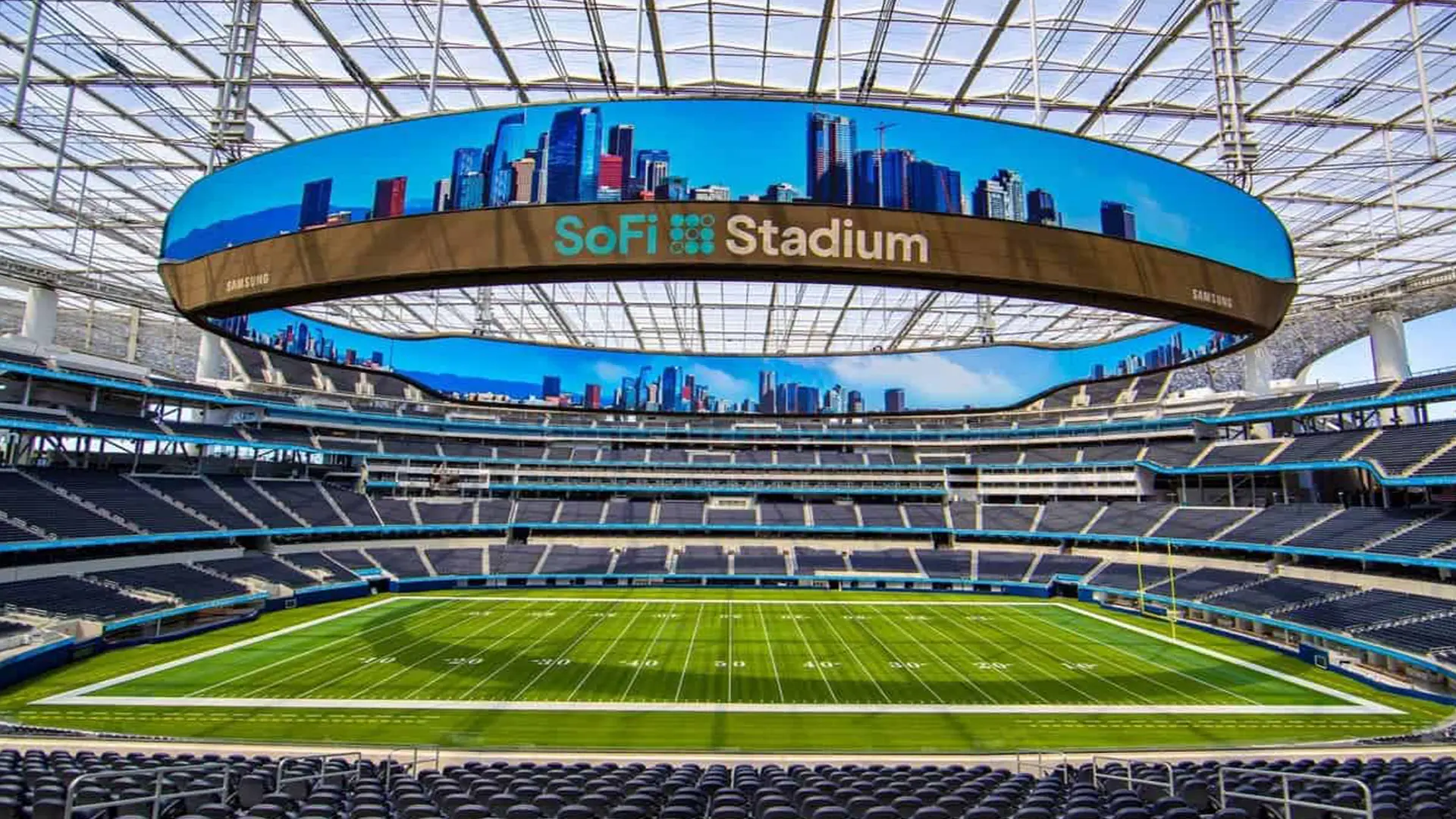
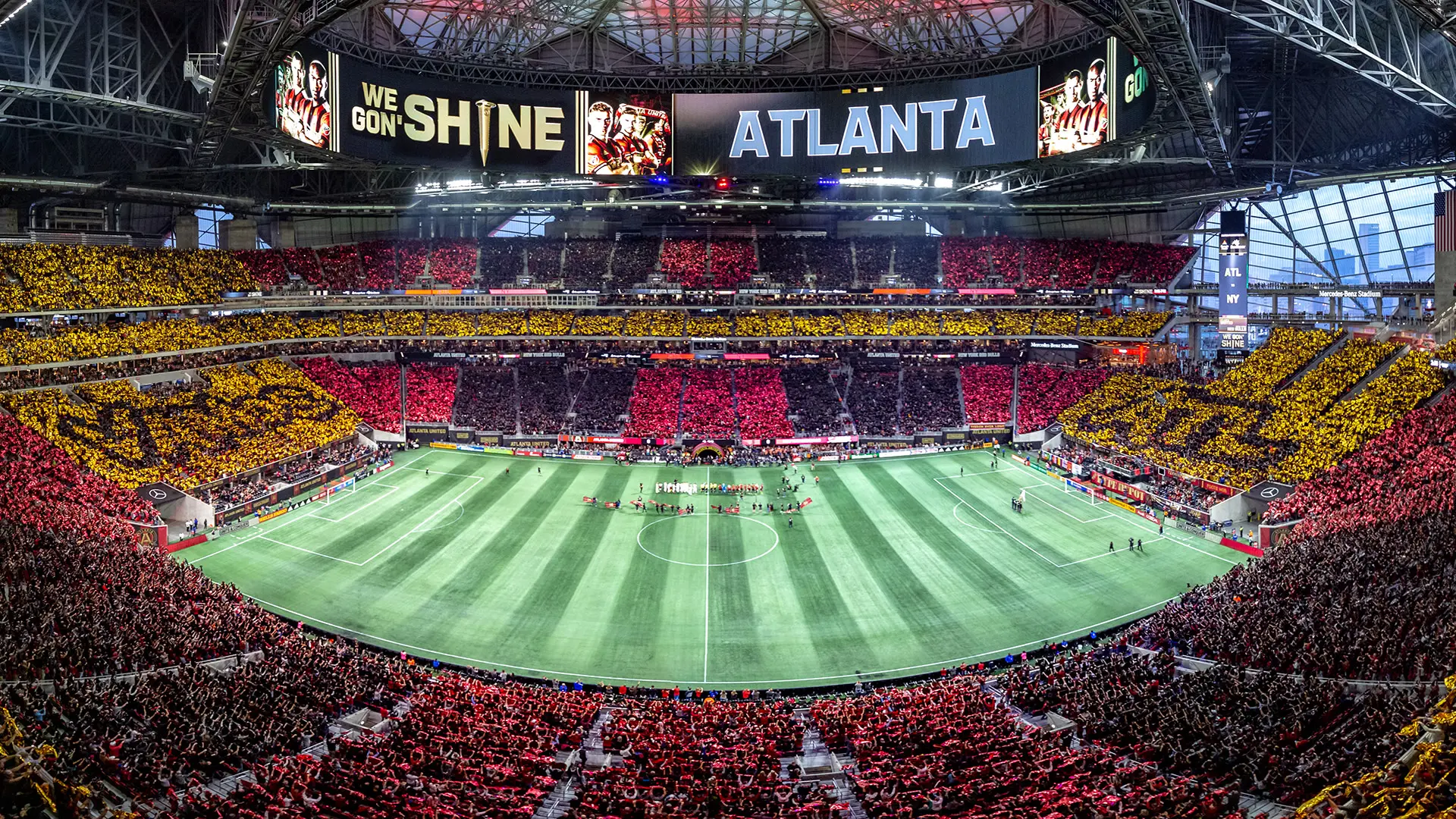
Stadiums will feature wraparound LED walls and floor-to-ceiling screens, transforming the entire venue into a dynamic visual canvas. During halftime, the field might morph into a virtual “world map” showing fan messages from across the globe, or replay key moments in 3D.
B. Interactive Fan Zones
Outdoor fan zones will use gesture-controlled LED displays to let fans influence on-screen content. Imagine a crowd waving to trigger a fireworks show on the screen or voting for their favorite highlight to replay.
C. Sustainable Design
Eco-conscious innovations like solar-powered LED panels and recyclable materials are being integrated. These displays reduce energy consumption by up to 40% compared to 2022 models, aligning with FIFA’s sustainability goals.
3. Why 2026’s LED Displays Outshine Previous Tournaments
The World Cup LED Display in 2026 introduces three game-changing improvements over past editions:
| Feature | 2026 Innovation | Previous Limitations |
|---|---|---|
| Refresh Rate | ≥12,000 Hz for ultra-smooth motion | Earlier models struggled with lag during fast-paced action |
| Weather Adaptability | IP69K-rated screens (resistant to rain, dust, and extreme heat) | Older IP65 ratings failed in heavy downpours |
| Camera Integration | Broadcast-ready outputs ensure perfect on-screen clarity for TV viewers | Previous displays caused “ghosting” in camera feeds |
4. Cost Breakdown and ROI for Sponsors
While the cost of World Cup LED Display systems varies, the 2026 tournament is prioritizing cost-effective scalability through partnerships with manufacturers. Key cost drivers include:
- High-Density Panels: 1,500–1,500–2,500/m² for P1.5–P2.5 resolution (used in premium stadiums).
- Interactive Modules: An extra 20–30% cost for gesture or touch-based features.
- Sponsor ROI: Brands report 300%+ higher engagement with dynamic LED ads compared to static banners. For example, Coca-Cola’s 2026 campaign will use LED screens to project personalized messages to fans based on their social media activity.
5. Future Trends: What’s Next After 2026?
The World Cup LED Display is just the beginning. Post-2026, expect:
- Holographic Projections: Fans may watch matches in 3D without special glasses.
- Blockchain-Enabled Displays: Screens could verify fan ticket authenticity in real time using NFTs.
- Biometric Feedback Integration: LED visuals might react to the heart rate or emotions of the crowd, creating a truly “living” environment.
Conclusion
The World Cup LED Display is no longer a luxury—it’s a necessity for delivering the next-level experience that modern fans demand. With AI, sustainability, and interactivity at its core, the 2026 tournament will set a new standard for sports events worldwide. As technology evolves, one thing is clear: the future of football is brighter—and more immersive—than ever.
 English
  Deutsch
  Español
  Français
  Italiano
  日本語
日本語  한국어
한국어  Suomi
Suomi  Nederlands
  ไทย
ไทย  Türkçe
  Português